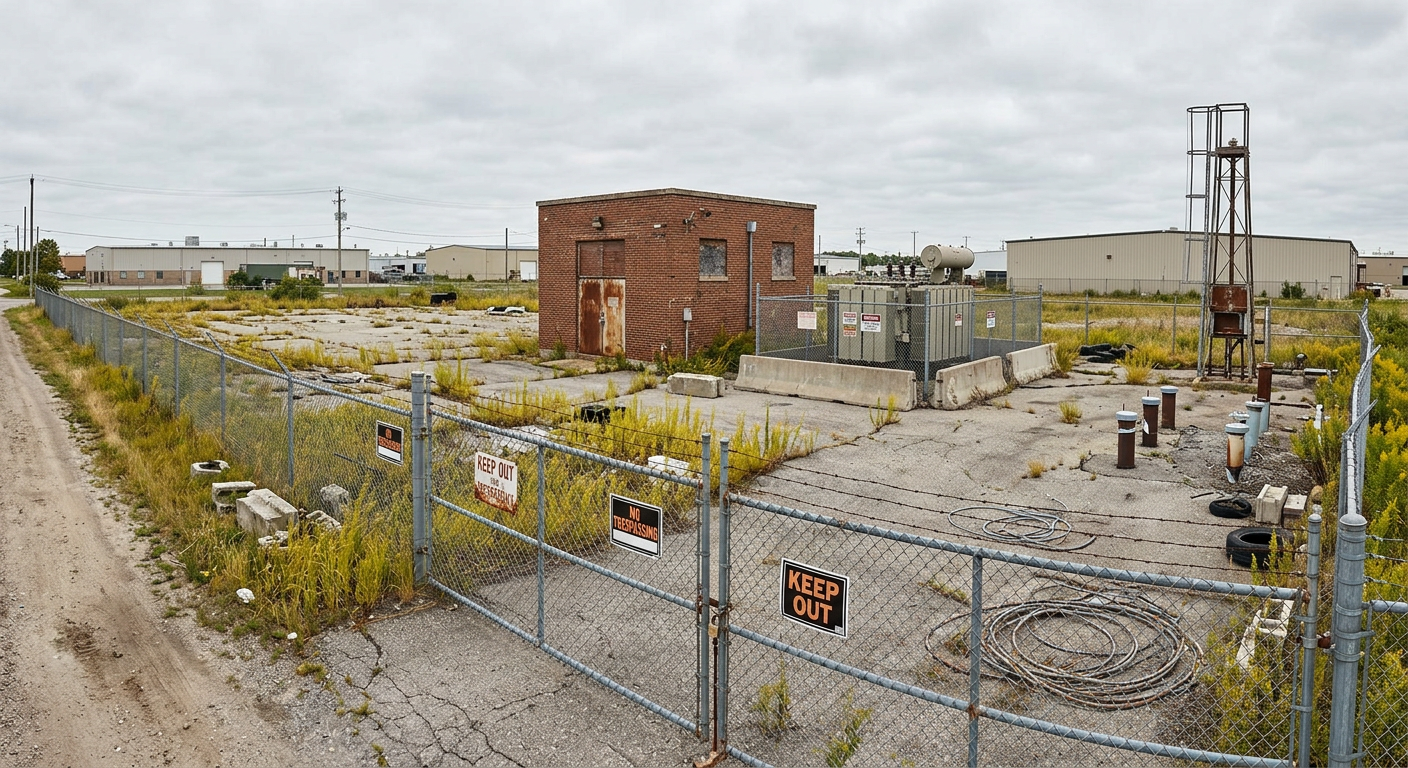
From Vacancy to Vandalism: Managing Theft, Security, and Claims Risk Across Utility Assets
Vacant or lightly attended utility assets are often perceived as low-activity sites, but from a risk management perspective they represent disproportionately high exposure. Reduced surveillance increases susceptibility to vandalism, theft (particularly copper and tools), flood, and fire. For utilities operating decentralized, public-facing infrastructure, vacancy, whether temporary or operational, should be treated as a trigger for enhanced controls. Research consistently shows that vacant properties experience higher frequencies of fire and malicious damage, reinforcing why both insurers and regulators scrutinize vacancy management practices.
Why Vacancy Magnifies Theft and Vandalism Risk
Utility sites are particularly attractive targets due to limited occupancy, valuable metals, and equipment that is often accessible behind basic fencing.
Ontario has emerged as a national hotspot for copper theft affecting critical infrastructure. Public reporting indicates that since 2022, Ontario has accounted for roughly two‑thirds of reported copper theft incidents nationally, with recurring activity concentrated in many communities, and involving damage to hydro poles, substations, and communications infrastructure.[ii] These incidents frequently generate losses far exceeding the scrap value of the metal due to service interruptions, emergency repairs, and safety risks to the public and workers.
Among MEARIE Members, theft accounts for approximately 22% of reported property claims by frequency, with losses predominantly occurring at unattended or intermittently vacant sites. Claims consistently involve forced entry into yards or compounds—most often through cut fencing—followed by the theft of high‑value, easily resalable materials such as copper cable, reels, tools, and portable equipment. The. loss experience reinforces that vacancy and after‑hours conditions materially elevate theft risk, particularly where site security, monitoring, or active presence is limited.
Vacant and lightly attended locations also present elevated environmental risk, particularly where oil‑filled equipment, transformers, fuel, or other hazardous materials remain on site without regular oversight. Reduced occupancy increases the likelihood that leaks, spills, water intrusion, freeze damage, or vandalism‑related releases may go undetected, allowing minor issues to escalate into costly environmental remediation events. MEARIE claims experience shows that environmental losses at vacant sites are often the result of delayed detection rather than sudden catastrophic failure, underscoring the importance of routine inspections, appropriate storage practices, and prompt escalation of any conditions that could lead to contamination, third‑party impacts, or regulatory involvement.
Also, if storing transformers (also susceptible to vandalism/theft) ensure to follow proper storage practices (for further guidance on best practices related to storage and loss prevention, please see our blog post).
Translating Insurance Expectations into Operational Controls
The MEARIE Property Insurance Program permits vacancy assuming security measures remain in place and written notice is given to the insurer within 120 days of the start of vacancy. Policy compliance alone does not equal loss prevention. From a best-practice standpoint, vacancy should trigger a clear set of practical controls:
-
-
Vacant or unoccupied premises should be physically inspected on a regular and documented basis, with a minimum recommended frequency of weekly inspections.
-
Higher‑risk locations, such as sites with prior losses, oil‑filled equipment, public access, remote locations, or exposure to severe weather, should be inspected more frequently.
-
Regular inspections are a critical control to ensure early detection of loss‑causing conditions that may otherwise go unnoticed during periods of low occupancy.
Each inspection should include, at a minimum, confirmation of the following:
-
Building and site security: doors and windows secured, locks functioning, fencing and gates intact, and no evidence of forced entry or tampering.
-
Protective systems: continued operation and normal status of fire protection, intrusion alarms, and monitoring services, including investigation of any trouble signals or impairments.
-
Developing hazards: absence of water intrusion, roof leaks, freeze exposure, vandalism, unauthorized access, vermin or pest activity, unsafe storage conditions, or housekeeping issues that could escalate into property or environmental losses.
Inspection findings should be formally documented and retained as part of the organization’s risk management records. Logs should typically include the inspection date and time, inspector name, observations made, issues identified, and corrective actions taken or required. Photographic records should be retained where appropriate to support loss prevention and claims documentation.
Any material deficiencies or adverse conditions identified should be addressed promptly, with corrective actions tracked to completion. Where issues may affect coverage, materially increase loss exposure, or result in an incident, timely communication with the insurer should be considered to preserve coverage certainty and facilitate appropriate risk guidance.
In Closing
Vacancy does not have to mean vulnerability. With disciplined inspections, effective protection systems, and timely claims reporting, utilities can reduce losses, such as theft and vandalism, identify developing hazards sooner, and preserve coverage certainty when incidents occurs.
CBC News. (2026, April 22). Urgent action needed to address copper thefts, says Senate committee. https://www\.cbc\.ca/news
Global News. (2025, July 9). Copper theft on the rise in Canada with Ontario the most affected. https://globalnews\.ca
At The MEARIE Group, we remain committed to providing the most up-to-date insights on risk management and industry best practices. Should you have any questions or require further information, please do not hesitate to reach out.